
Building Emotional Resilience: Strategies for Overcoming Burnout


In today's fast-paced world, burnout has become an all-too-common adversary. Many people find themselves overwhelmed by work, personal responsibilities, and the relentless pace of modern life. Building emotional resilience is a crucial strategy for overcoming burnout and regaining control over one's life. By developing emotional resilience, you can better navigate the challenges that come your way and maintain your well-being.
Understanding Emotional Resilience
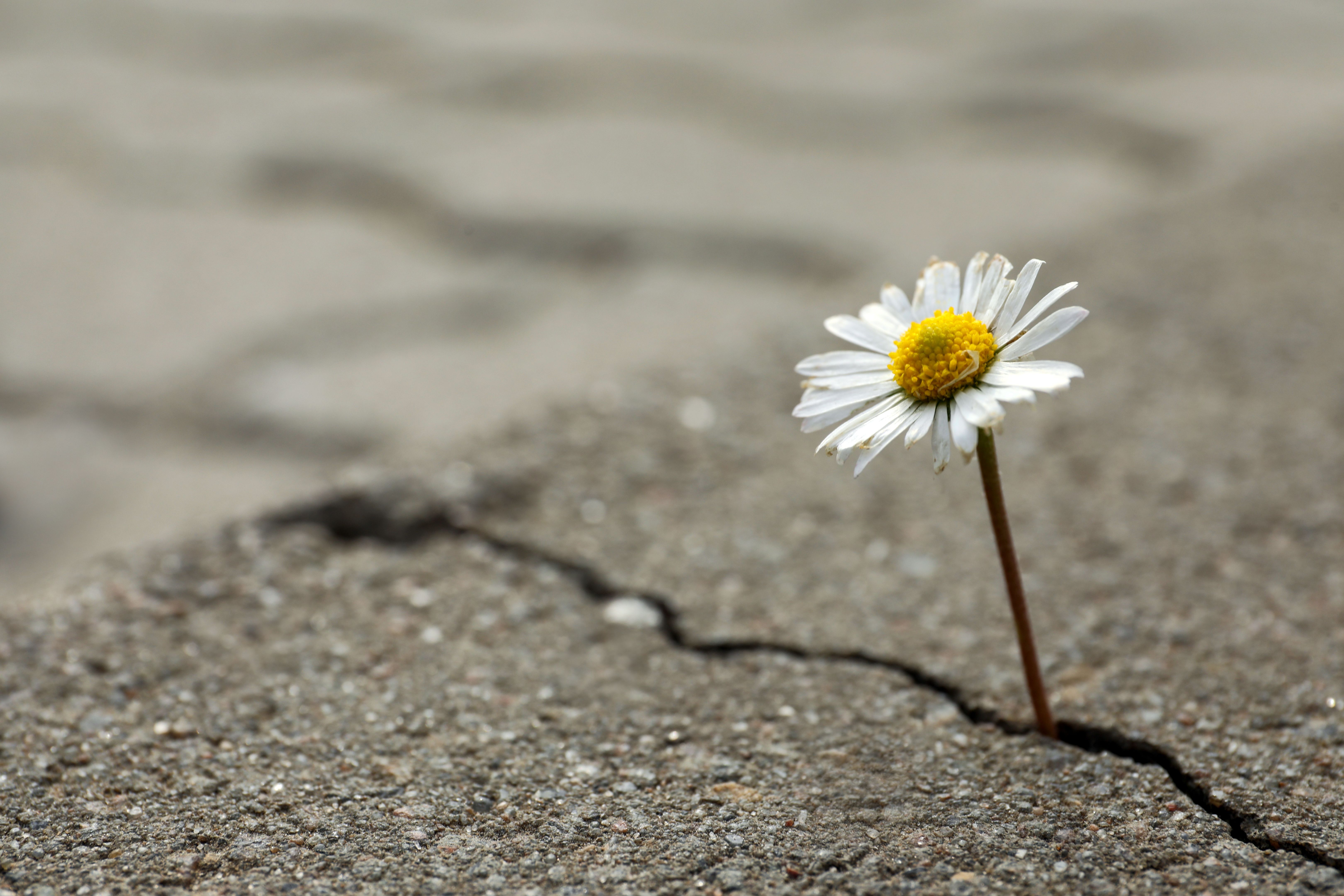
Emotional resilience refers to the ability to adapt to stressful situations and crises. It involves maintaining a positive outlook, managing emotions effectively, and bouncing back from setbacks. This resilience is not an inherent trait but a skill that can be cultivated over time.
The Importance of Self-Awareness
One of the first steps in building emotional resilience is developing self-awareness. This means understanding your emotions, triggers, and stressors. By recognizing these elements, you can take proactive steps to manage them. Self-awareness allows you to respond to stress more effectively, reducing the risk of burnout.
Consider keeping a journal to track your emotions and identify patterns. This practice can help you pinpoint specific situations or behaviors that contribute to stress, enabling you to make necessary adjustments.
Developing a Support Network
Having a strong support network is essential for emotional resilience. Surround yourself with friends, family, and colleagues who can offer encouragement and guidance. These connections provide a sense of belonging and can help you navigate challenging times.

Don't hesitate to reach out to others when you're feeling overwhelmed. Sharing your experiences and seeking advice can provide valuable perspectives and alleviate feelings of isolation.
Cultivating Healthy Habits
Building emotional resilience also involves maintaining a healthy lifestyle. Regular exercise, balanced nutrition, and sufficient sleep are vital components. These habits contribute to overall well-being and enhance your ability to cope with stress.
- Exercise: Engaging in physical activity releases endorphins, which improve mood and reduce stress.
- Nutrition: A balanced diet provides the energy and nutrients needed to maintain mental and physical health.
- Sleep: Prioritizing rest ensures that your body and mind have time to recover and recharge.

Practicing Mindfulness and Relaxation Techniques
Incorporating mindfulness and relaxation techniques into your daily routine can significantly enhance emotional resilience. Practices such as meditation, deep breathing, and yoga promote relaxation and help manage stress.
Mindfulness encourages you to focus on the present moment, reducing anxiety about the future and regret about the past. By regularly practicing these techniques, you can cultivate a calmer mindset and improve your ability to handle stress.
Setting Boundaries and Prioritizing Self-Care
Setting boundaries is crucial for preventing burnout. Learn to say no to tasks and commitments that overwhelm you. Prioritize self-care by dedicating time to activities that bring you joy and relaxation.
Remember that taking care of yourself is not selfish; it's necessary for maintaining your emotional and physical health. By setting boundaries and making self-care a priority, you create a foundation for long-term resilience.
In conclusion, building emotional resilience is a multifaceted approach that requires self-awareness, supportive relationships, healthy habits, mindfulness, and self-care. By implementing these strategies, you can effectively combat burnout and enhance your overall quality of life.