
Building Emotional Resilience: Expert Tips from H&H Counseling


Understanding Emotional Resilience
Emotional resilience is the ability to adapt to stressful situations and cope with life's challenges. It's not about avoiding stress but rather managing it effectively. At H&H Counseling, we believe that building emotional resilience is crucial for maintaining mental well-being.
Resilient individuals tend to maintain a positive outlook, even when faced with adversity. They can bounce back from setbacks and are often better equipped to handle life's ups and downs. Developing this skill can make a significant difference in your overall quality of life.

Recognizing Emotional Triggers
One of the first steps in building resilience is recognizing what triggers your emotional responses. These triggers can be external, such as a demanding job, or internal, like self-doubt or fear of failure. By identifying these triggers, you can start to manage your reactions more effectively.
H&H Counseling suggests keeping a journal to track your emotional responses. Write down situations that cause stress or anxiety and reflect on why they affect you. This practice can help you understand patterns in your emotional reactions.
Developing Coping Strategies
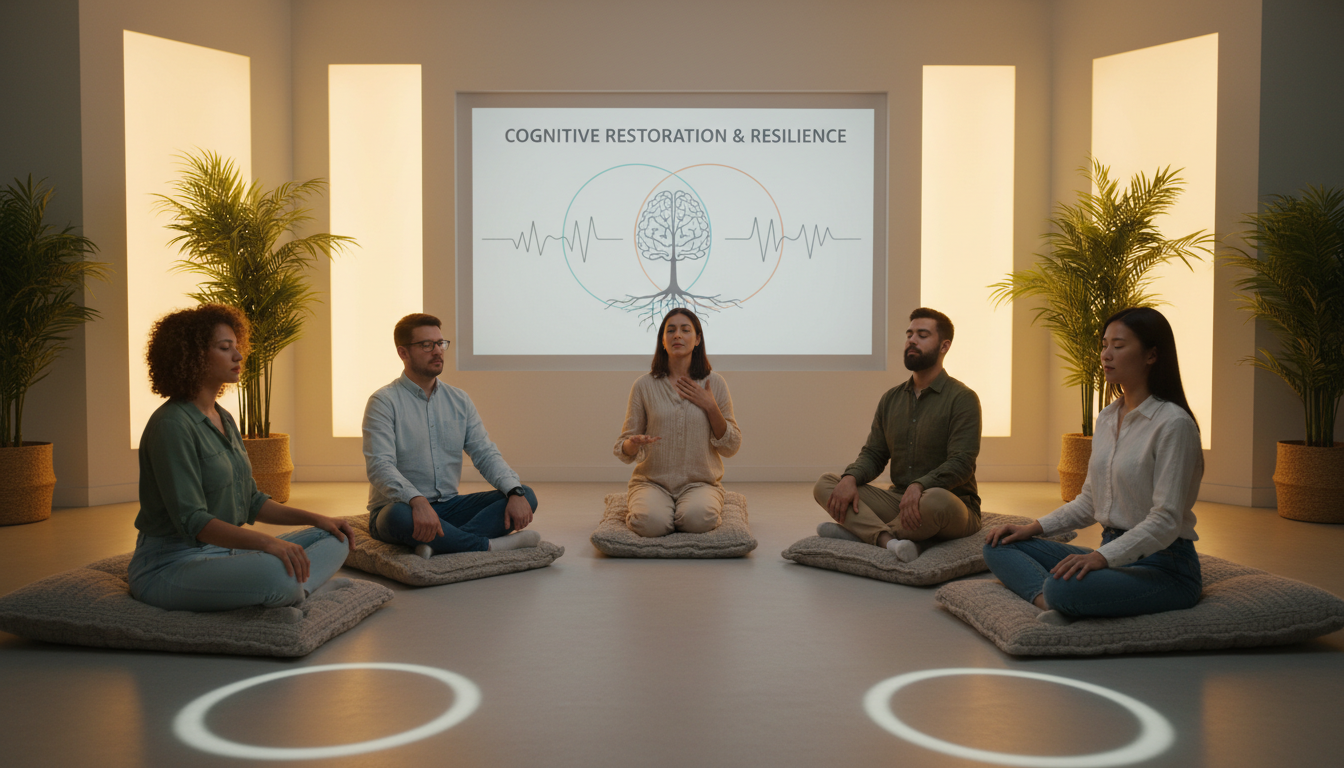
Once you've identified your emotional triggers, it's essential to develop healthy coping strategies. These strategies could include deep breathing exercises, meditation, or even engaging in physical activity. The key is to find methods that work best for you and incorporate them into your daily routine.
Consider creating a self-care plan that includes activities you enjoy and that help you relax. Regularly practicing these activities can enhance your emotional resilience over time.
Building a Support Network
Having a strong support network is vital for emotional resilience. Friends, family, and professional counselors can provide guidance, understanding, and encouragement when you're facing challenges. At H&H Counseling, we emphasize the importance of connecting with others to share your experiences and gain perspective.

Embracing Change
Change is an inevitable part of life, and learning to embrace it can significantly boost your resilience. Instead of resisting change, try to view it as an opportunity for growth and development. This mindset shift can help reduce stress and make transitions smoother.
Practicing flexibility and adaptability can also contribute to emotional resilience. By being open to new experiences and perspectives, you can better navigate the complexities of life.
Practicing Gratitude and Mindfulness
Gratitude and mindfulness are powerful tools for building emotional resilience. By focusing on the present moment and appreciating the positives in your life, you can cultivate a more balanced and optimistic outlook.

Regularly practicing gratitude can help shift your focus away from negative thoughts and enhance your emotional well-being. Try keeping a gratitude journal or setting aside time each day to reflect on what you're thankful for.
Conclusion
Building emotional resilience is a journey that requires patience and practice. By understanding your triggers, developing coping strategies, building a support network, embracing change, and practicing gratitude, you can strengthen your ability to handle life's challenges.
At H&H Counseling, we're here to support you on this journey. By implementing these expert tips, you can develop the resilience needed to thrive in today's world.