
Virtual Counseling Benefits: Accessible Therapy Across New Hampshire


Understanding Virtual Counseling
Virtual counseling has emerged as an essential tool in providing mental health support. Through digital platforms, individuals across New Hampshire can now access therapy services without the need to travel. This convenience makes it easier for people to seek help when they need it the most.
One of the main advantages of virtual counseling is its ability to reach people in remote areas. For residents in rural parts of New Hampshire, accessing in-person therapy may have been challenging. Virtual services eliminate this barrier, offering a lifeline to those who might otherwise go without care.

Convenience and Flexibility
With virtual counseling, patients can schedule sessions at times that fit their busy lives. Whether it's early morning or late at night, the flexibility of online therapy means that appointments can be made outside of traditional office hours. This adaptability is particularly beneficial for those with demanding work schedules or family commitments.
Additionally, online platforms allow clients to choose from a wider range of therapists. They can find professionals who specialize in their specific needs, ensuring a personalized and effective therapeutic experience.

Reducing Stigma
Virtual counseling can help reduce the stigma often associated with seeking mental health care. By allowing individuals to access therapy from the privacy of their own homes, it removes the fear of being seen entering a therapist's office. This privacy encourages more people to seek the help they need.
The anonymity of online therapy can also make it easier for individuals to open up about their struggles. This increased comfort can lead to more honest and productive sessions, ultimately enhancing the therapeutic process.
Cost-Effectiveness
Virtual counseling is often more affordable than traditional in-person therapy. Without the costs associated with maintaining a physical office space, therapists can offer their services at reduced rates. This makes mental health care more accessible to a broader audience.
Moreover, eliminating the need for travel can save clients both time and money. This aspect of virtual counseling further enhances its appeal, making it a viable option for many New Hampshire residents.
Embracing Technology
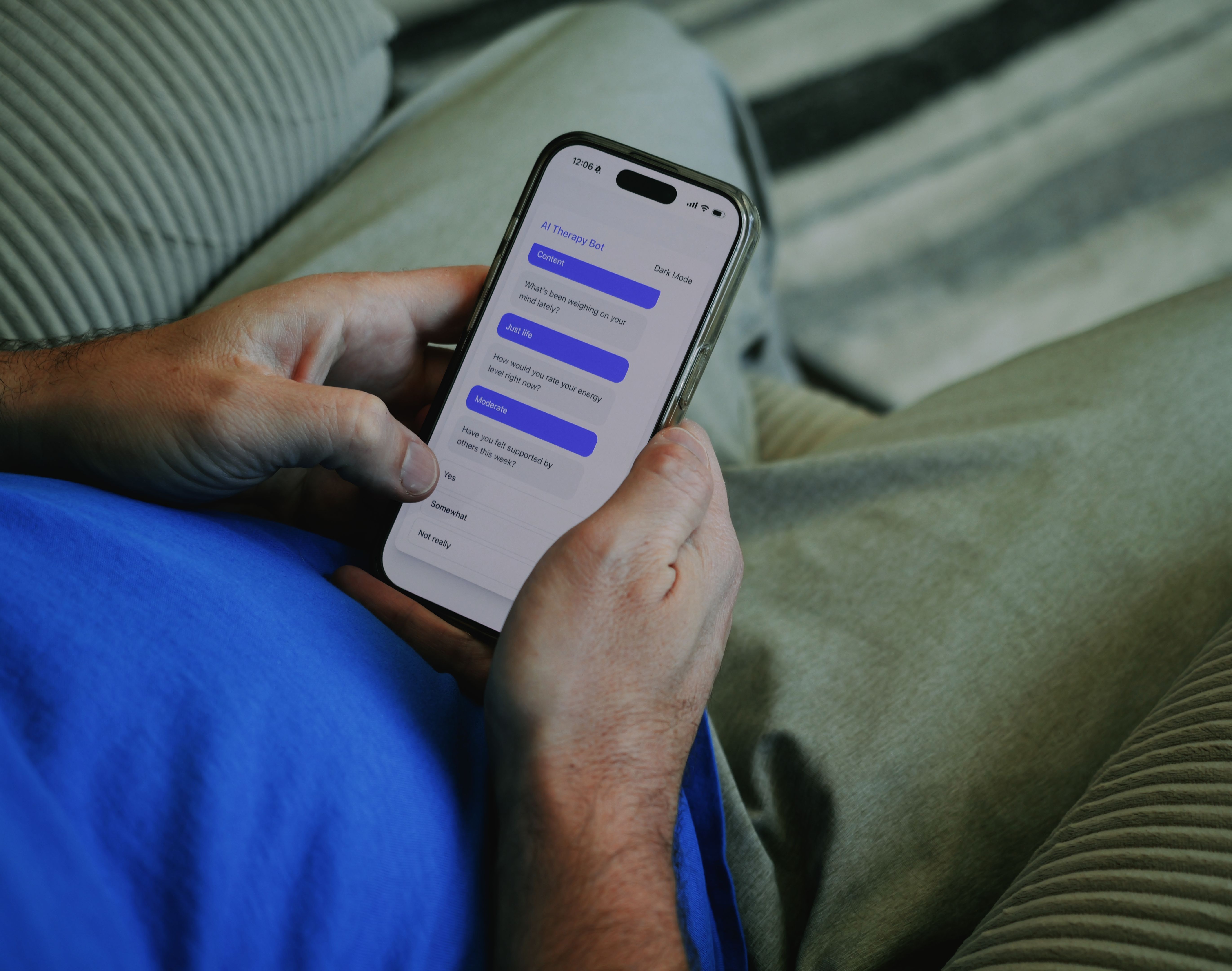
The use of technology in therapy is not just convenient but also innovative. With tools like video conferencing, chat, and email, therapists can offer a range of communication methods that suit different preferences. This diversity in communication strengthens the therapeutic relationship.
As technology continues to evolve, so too will the methods available for virtual counseling. This evolution promises even more personalized and effective treatment options in the future.
Conclusion
Virtual counseling is transforming the landscape of mental health care in New Hampshire. By providing accessible, flexible, and cost-effective therapy, it addresses many of the barriers that have traditionally prevented individuals from seeking help. As more people embrace this modern approach, the positive impact on mental health in the state is set to grow.